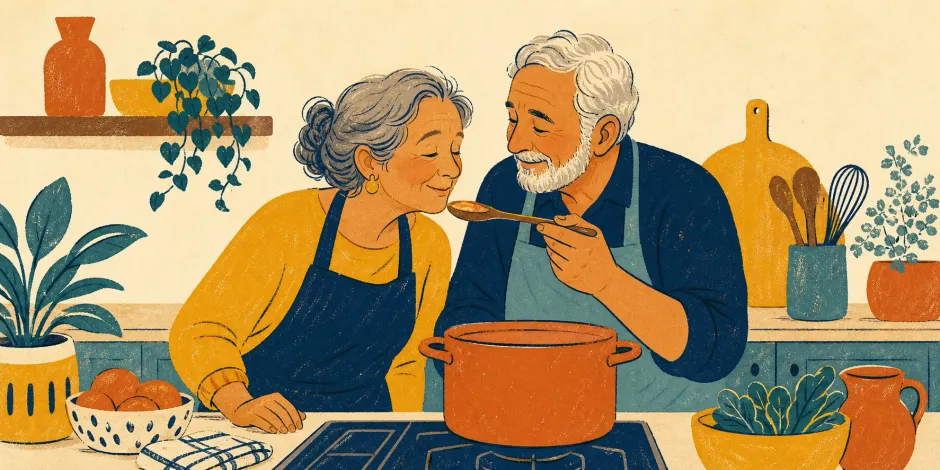
In Spanish, affection isn’t just spoken—it’s woven into everyday language. Terms of endearment (los términos de cariño) are everywhere: between lovers, family members, even people you’re getting to know. Using them correctly can make your Spanish feel more natural, warm, and connected.
This comprehensive guide covers the 50+ most common Spanish terms of endearment, with special focus on Latin American usage, cultural context, and practical conversation tips. If you’re looking to build stronger foundational speaking skills, start with our guide to essential Spanish conjunctions to master basic connecting words first.
Why Terms of Endearment Matter in Spanish
In many Spanish-speaking cultures, warmth and connection are central values. People use affectionate language more freely than in many English-speaking environments. You might hear strangers say “mi cielo” (my sky) or “mi amor” to casual acquaintances or even customers in small shops. That openness is part of the cultural charm.
Understanding these terms helps you:
Connect authentically with Spanish speakers
Sound more natural in conversations
Show appropriate affection in different relationships
Avoid cultural misunderstandings about intimacy levels
Because appropriateness depends on relationship and tone, rehearse them inside realistic scenarios using the routine in how to practice speaking Spanish rather than dropping them into unrelated conversations.
1. Core Romantic Terms of Endearment
These are the most common terms used between romantic partners, though some can extend to very close family relationships.
These might sound strange to English speakers, but they’re common and endearing in many Latin American contexts.
Affectionate Physical Terms
Playful Physical References
gordito / gordita"chubby / little chubby"
Ven acá, gordita
"Come here, chubby (affectionate)"
flaco / flaca"skinny / slim"
¿Cómo estás, flaco?
"How are you, skinny?"
chiquito / chiquita"little one"
Mi chiquita linda
"My pretty little one"
negro / negra"dark one"
Hola, mi negra
"Hello, my dark one"
güero / güerita"blonde / light-skinned"
¿Qué onda, güerita?
"What's up, blondie?"
3. Family & Close Friend Terms
These terms work well for family members, close friends, and people you care about platonically.
Family & Friendship Terms
Family Endearments
mijo / mija"my son / my daughter"
Ven acá, mija
"Come here, my daughter"
viejo / vieja"old man / old woman"
¿Cómo estás, viejo?
"How are you, old man?"
hermano / hermana"brother / sister"
Gracias, hermano
"Thanks, brother"
papi / mami"daddy / mommy"
Hola, papi
"Hi, daddy"
tío / tía"uncle / aunt"
¿Qué tal, tío?
"What's up, uncle?"
General Affection
amigo / amiga"friend"
Hola, amiga
"Hi, friend"
compañero / compañera"companion"
Gracias, compañero
"Thanks, companion"
compadre / comadre"close friend / godparent"
¿Cómo estás, compadre?
"How are you, close friend?"
4. The Magic of Diminutives: -ito / -ita
One of the most powerful tools in Spanish endearment is the diminutive suffix -ito / -ita. You can take almost any base word and make it cuter or more affectionate:
Practice the same endearment in different contexts and see how it feels
Ejemplo:'Cariño' with romantic partner vs. close friend vs. family member
9. Sweet Phrases & Combinations
Combine terms of endearment with common phrases for natural-sounding Spanish:
Common Endearment Phrases
Daily Greetings
Buenos días, mi amor"Good morning, my love"
¿Cómo estás, cariño?"How are you, darling?"
Hola, mi vida bella"Hello, my beautiful life"
¿Qué tal, corazón?"How's it going, heart?"
Goodbyes & Goodnights
Hasta mañana, mi cielo"See you tomorrow, my sky"
Que duermas bien, osito"Sleep well, little bear"
Te cuidas, tesoro"Take care, treasure"
Nos vemos, amorcito"See you later, little love"
10. Advanced Usage: Poetry & Literature
Spanish literature and songs are full of creative endearments. Here are some you might encounter:
Practice Spanish Endearments Naturally
Ready to use these sweet terms in real conversations? Practice with Amigo Lingo's AI conversation partners and learn to express affection naturally in Spanish.
Can I use endearments with friends or acquaintances?+
Yes, in many Latin cultures, milder terms like cariño, hermano/hermana, or amigo/amiga can be used between friends. But romantic ones (mi amor, mi vida) are usually reserved for closer relationships.
Are there 'safe' endearments I can start with?+
Yes: cariño, corazón, and amigo/amiga are good starting points. Avoid overly intimate terms like mi alma or mi vida until the relationship is well-established.
Do 'te quiero' vs 'te amo' relate to endearments?+
Yes! Te quiero is more versatile (friends, family, lovers) and pairs well with casual endearments. Te amo is deeper, more romantic, and goes with intense terms like mi alma or mi vida.
Why do some terms sound like insults but aren't?+
Terms like gordito (chubby) or flaco (skinny) are cultural expressions of affection in many Latin American countries. They're used playfully and lovingly, often regardless of actual physical appearance. Context and relationship matter greatly.
How do I know if I'm using too many endearments?+
If you're using multiple different endearments in every sentence, it can sound forced. Pick 1-2 that feel natural for each relationship and use them consistently rather than mixing many different ones in one conversation.
Your Affection Challenge
Week 1: Pick 3 endearments appropriate for your relationships and use them naturally in conversations.
Week 2: Practice creating diminutives by adding -ito/-ita to base words.
Week 3: Try incorporating endearments into greetings and goodbyes.
Week 4: Experiment with more poetic or creative combinations.
Remember: The key to natural-sounding endearments is not memorizing lists, but understanding the feeling behind them. Start with relationships where you feel comfortable, and let the warmth of Spanish affection gradually become part of your speaking style.
¡Que tengas un día hermoso, mi querido estudiante! (Have a beautiful day, my dear student!)